How We Built an AI Asset Generator That Keeps Every Team On-Brand
Teams don't go off-brand because they don't care about the brand. They go off-brand because the on-brand version takes longer to make. That's the problem we built an AI asset generator to solve.
A while back, my team and I were deep into a brand system for a client. Clean typography, tight color rules, the whole nine yards. Then I opened their LinkedIn and saw a webinar graphic that looked like it came out of a Canva template from 2019. Rainbow gradient. Off-brand everything.
I Slacked the CMO. She needed a post out in 20 minutes, grabbed what we'd built in Figma and "finished" it in Canva, because that was faster than requesting a design task. She wasn't wrong to do it. The system was good. Getting to it was the problem.
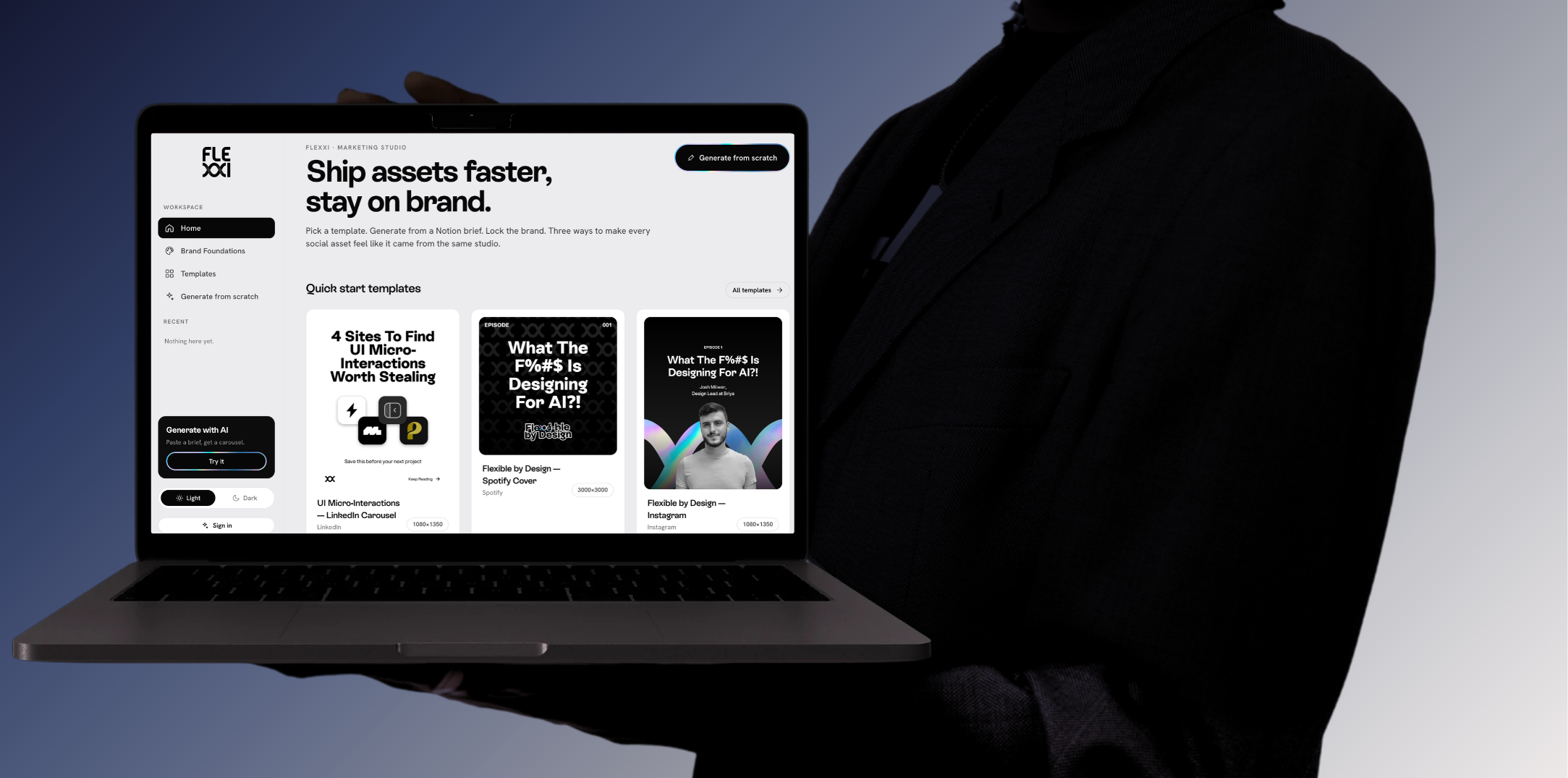
So we built the fix: the Flexxible Asset Generator. It's one hub that holds your entire design system and lets anyone in your company use designer-made templates and generate on-brand assets in seconds. No more Canva rescues. No more "close enough."
At Flexxi Studio, my team and I build brands and design systems for teams like AstroPay and Orchid Security. In this article, I look at why teams keep going off-brand, and how we built an AI asset generator on top of a design system to make the on-brand version the fastest one.
What is an AI asset generator?
An AI asset generator is a tool that creates marketing and brand assets, like social graphics, one-pagers and banners, from a prompt, a brief or a template. The useful ones work from your brand's actual rules, so what comes out already looks like your company made it.
The Flexxible Asset Generator is Flexxi Studio's version. It sits on top of the LLM you already use and feeds it your design system: fonts, colors, spacing, tone and templates. Anyone on your team can make an on-brand asset without opening Figma or waiting on a designer.
Why do marketing teams need an AI asset generator?
Marketing teams need an AI asset generator because content demand grew much faster than design capacity. In Adobe's survey of more than 1,600 marketers, 96% said content demand had at least doubled in the last two years, and 62% said it had grown five times or more.
Every team needs content now. Sales wants one-pagers and social wants ten versions of everything, yesterday. We still need strong foundations made by designers. But design used to be the checkpoint, and with this much volume it becomes the bottleneck.
So people route around it. In a 2026 BlackFog survey of 2,000 employees, 49% said they use AI tools their employer hasn't approved, and 63% said that's fine when no approved option exists. Brand assets follow the same logic: if the approved path is slow, people find a faster one.
And it shows up in public. Visme's 2026 Brand Execution Gap report found that 42% of content creators had sent something out and only learned afterward that it was off-brand.
Why don't brand guidelines keep content on-brand?
Brand guidelines don't keep content on-brand because they describe the brand without helping anyone apply it under a deadline. A PDF can tell you the hex code. It can't make the graphic.
Visme's research backs this up. 58% of content creators leave the tool they're working in to look up a brand color or font, and only 16.8% say their templates already have the brand applied. Everyone else applies it by hand.
The easy explanation is that people don't respect the brand. The real one is that on-brand is slower than off-brand without the right system, and deadlines don't care about your style guide. More guidelines won't change that. Making the on-brand version the fastest version will, and that's the job we gave the Flexxible Asset Generator.
Flexxible Asset Generator case study: how we built an AI asset generator
It started with our AI product design work. Clients kept asking a version of the same question: how do we get our brand to scale across a dozen teams who aren't designers?
Fair question. So we asked a different one. What if we trained AI directly on a brand's design system, so it already knows the rules?
The catch: clients wanted full ownership, not another SaaS subscription they don't control. So the Flexxible Asset Generator is built per company, with its own codebase, plugged into that company's own LLM.
It doesn't replace your LLM, and it's LLM-agnostic (Google, Anthropic, OpenAI, dealer's choice). It sits on top of the model and feeds it your actual brand, so every output already looks like you made it. Better guardrails than Claude Design, and easier for non-designers to use than Figma.
We built the first one for Flexxi Studio. Now marketing and sales pull from the same source as design: same foundations, same templates, designer-approved and scaled by AI.
What can the Flexxible Asset Generator do?
The Flexxible Asset Generator lets anyone on your team make on-brand assets from templates or from scratch, without leaving your brand's rules. Here's what that looks like day to day:
One hub for the brand. Colors, type, spacing and logo rules live in one place, so nobody is digging up hex codes or pasting brand guidelines into a prompt for the hundredth time.
Designer-made templates. Open a template, swap the copy, swap the image. It's still unmistakably your brand.
Generation from a brief. Start from a brief, a Notion doc or a link, and get back something that already looks like it came out of your design team.
Ready to use anywhere. Export as PNG or SVG and go. You also get the output as a Markdown file, so your other AI tools can keep working with it.
What makes AI-generated assets stay on-brand?
AI-generated assets stay on-brand when the AI works from a real design system. Without one, AI fills the gaps with whatever is most common, which is why so much AI content looks the same.
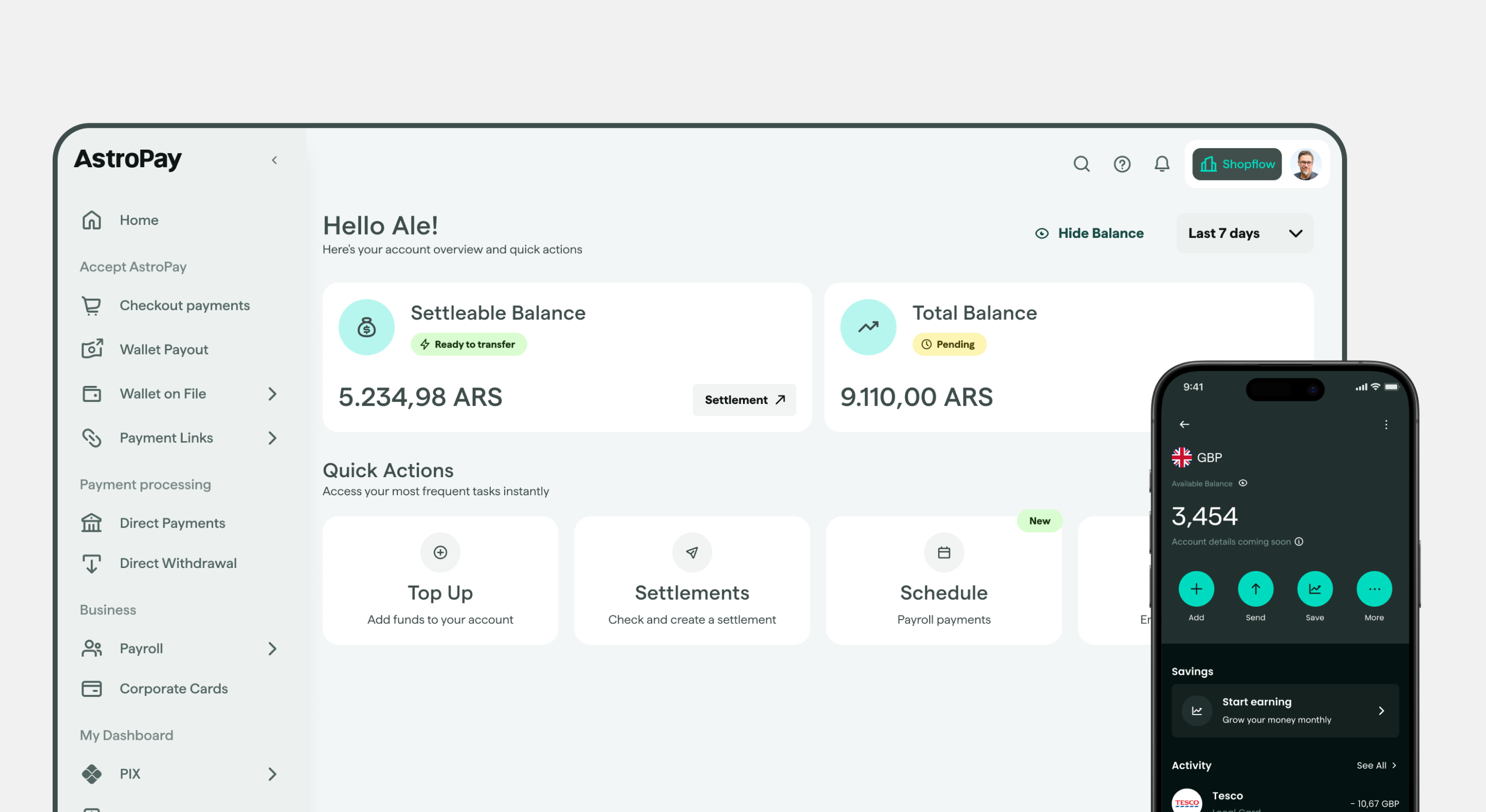
That's why the design system comes before the asset generator. When we scaled AstroPay's design system across web, iOS and Android, the goal was making the system a source everyone could trust, with design tokens for color and spacing and a clear line between approved components and ones still in progress. That's the kind of structure an AI asset generator needs to follow your brand instead of guessing.
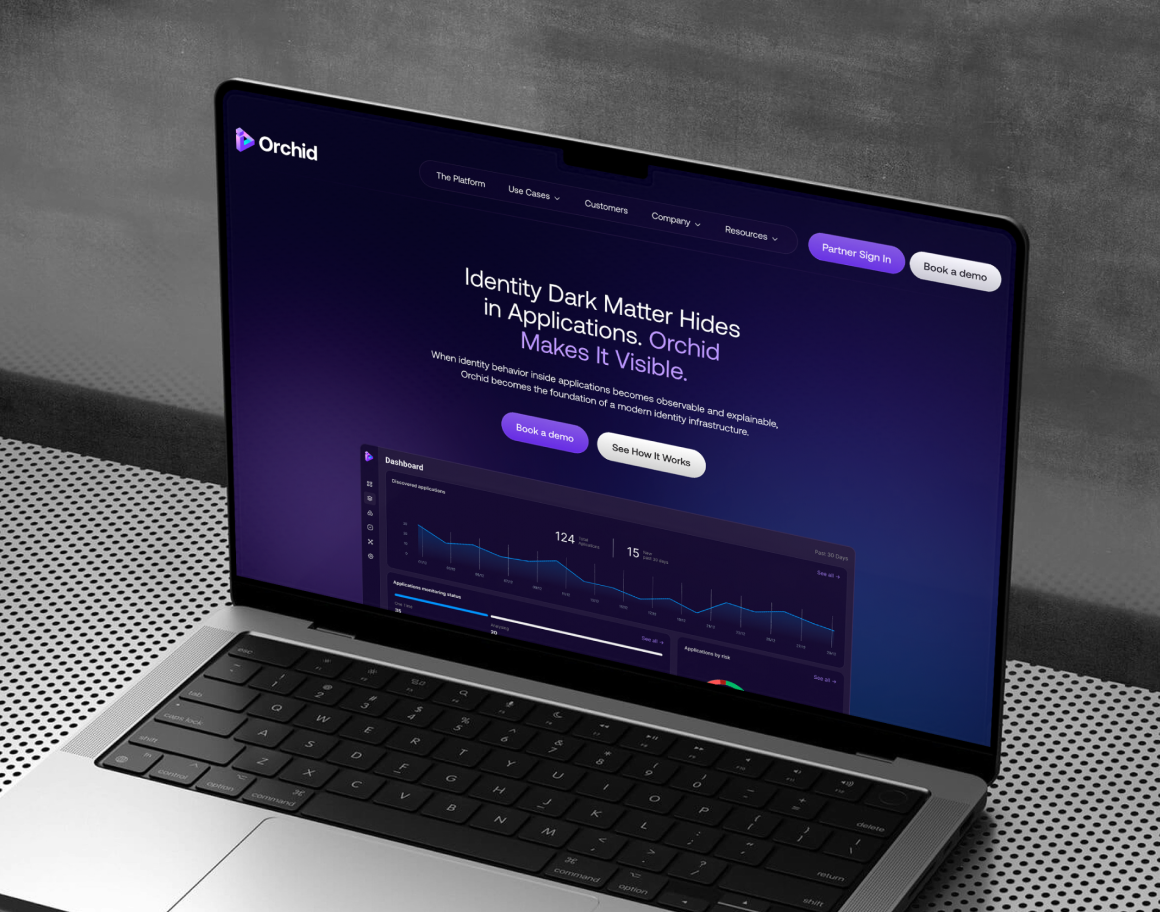
The same goes for brand work. With Orchid Security's brand, we built the brand and the design system together, so there was one source to apply everywhere. You can see more of that work in our brand and product design case studies.
How to know if your team needs an AI asset generator
Here's the test I give every team: time how long it takes someone outside design to make one on-brand asset. That number is the whole problem, and no PDF of brand rules is going to fix it.
If the number is bad, these are the principles my team builds around:
Put the brand inside the tool. If people have to leave what they're working in to look up a color, consistency depends on memory.
Make one source of truth for people and AI. Your design system should feed your team and your LLM at the same time.
Start from designer-made templates. Let non-designers change copy and images, and keep layout and type locked.
Keep designers on the foundations. AI can handle the volume. Designers own the system and the quality bar, and get their time back for the work that needs them.
Want more on brand, design systems and AI?
Every issue of my newsletter, Flexxible by Design, brings real stories from client work and what I'm learning along the way.
Subscribe to Flexxible by Design →
Frequently asked questions
What is an AI asset generator?
An AI asset generator is a tool that creates marketing and brand assets, such as social graphics, banners and one-pagers, from a prompt, brief or template. The best ones follow a company's design system so every asset comes out on-brand.
Can AI create on-brand marketing assets?
Yes, if the AI works from your actual design system: your fonts, colors, spacing, tone and templates. Without that foundation, AI defaults to generic output that looks like everyone else's.
What is the Flexxible Asset Generator?
The Flexxible Asset Generator is an AI asset generator built by Flexxi Studio. It sits on top of a company's own LLM, holds its design system in one hub and lets any team create on-brand assets from templates or from a brief.
Does the Flexxible Asset Generator replace designers?
No. Designers build and own the design system and templates it runs on. The generator handles the volume, so designers get time back for higher-value work.
Which LLMs does the Flexxible Asset Generator work with?
It's LLM-agnostic, so it works with models from Google, Anthropic or OpenAI. Each company keeps its own codebase and connects its own LLM.
Why do teams go off-brand?
Teams usually go off-brand because the on-brand version is slower to make, not because they ignore the brand. When content demand outpaces design capacity, people use whatever tool gets the work out fastest.
Want to see the Flexxible Asset Generator live?
I'm showing it to a handful of teams right now. If your team is producing more content than your brand system can keep up with, I'll walk you through it myself.
Sources
- Adobe, 71% of marketers say content demand to increase 5x
- Visme, The Brand Execution Gap 2026
- SecurityBrief, Shadow AI use surges as staff trade security for speed (BlackFog survey)
Related reading
- Expanding Design Systems at AstroPay
- Cybersecurity Branding: Why Technical Companies Are Investing in Design
- Why Users Don't Trust AI With Their Money (And How Product Design Fixes It)
Want more on brand, design systems and AI? Subscribe to my newsletter, Flexxible by Design →
Notifications and Alerts