Scaling Design Systems at AstroPay
Project Overview
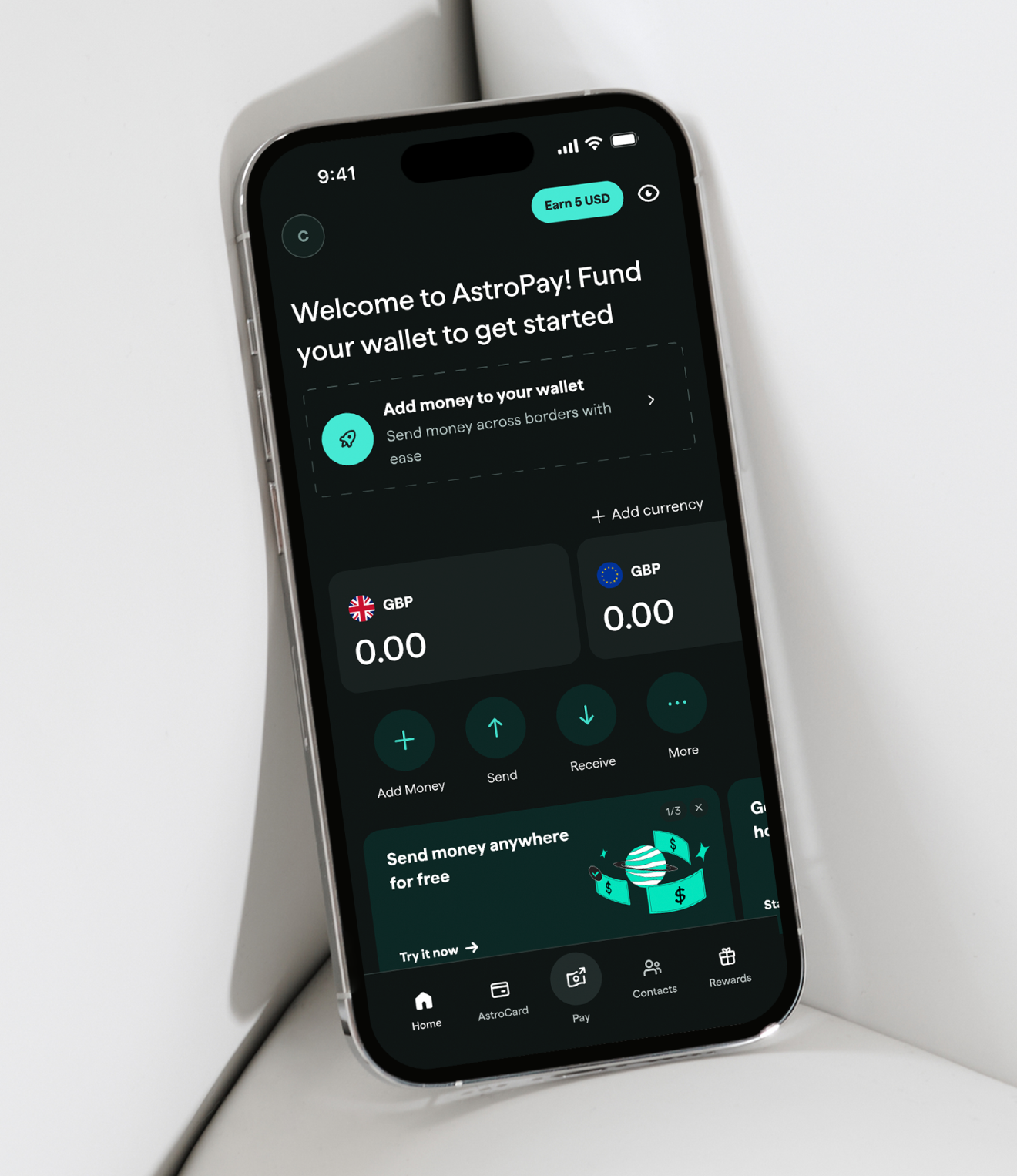
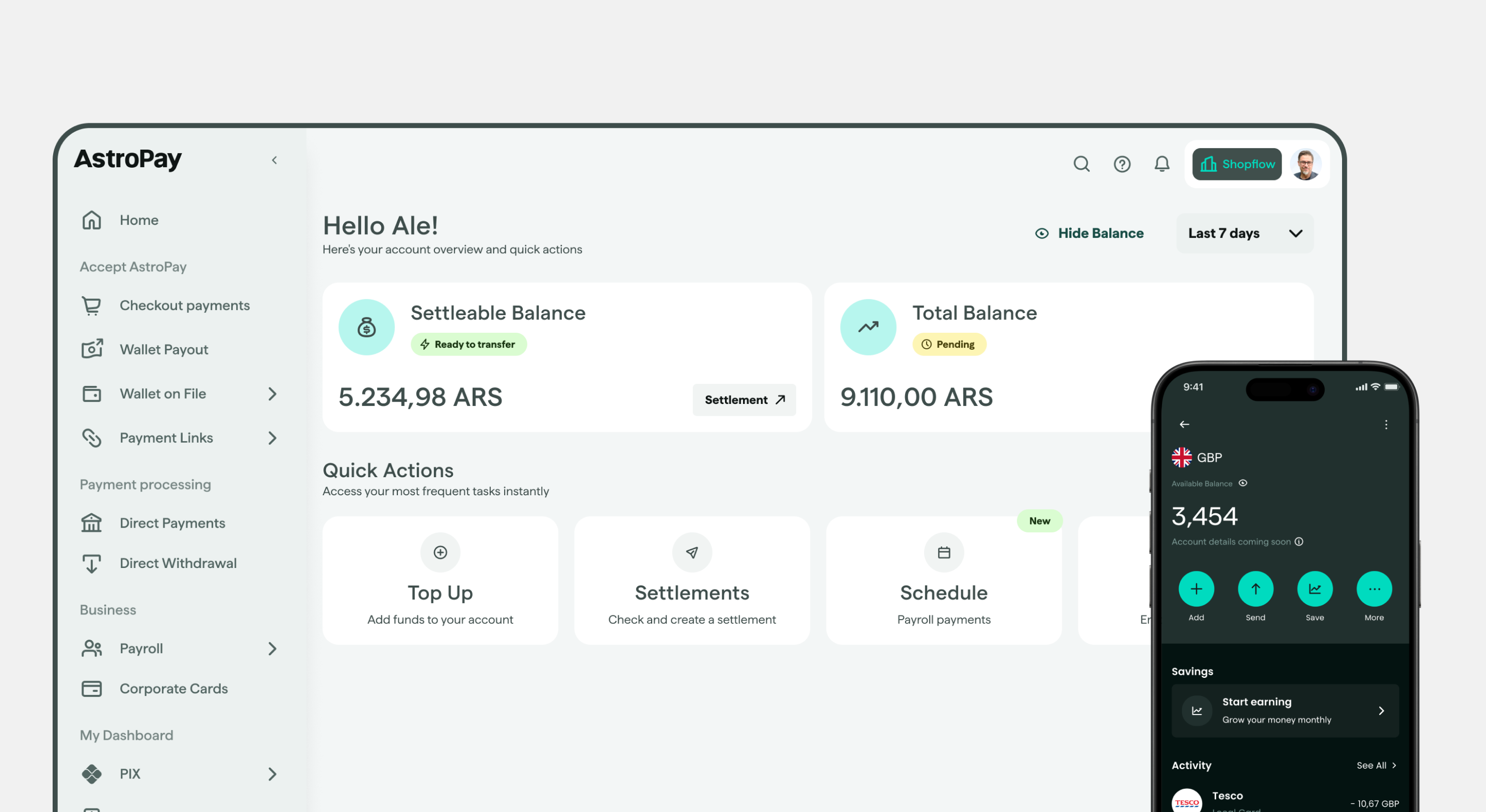
AstroPay partnered with Flexxi to evolve its internal design system into a scalable foundation capable of supporting multiple product lines across platforms. The project focused on building a more robust, organized, and reliable system that could serve both AstroPay’s B2C wallet experience and its B2B business dashboard across Web, iOS, and Android.
AstroPay’s design system was fragmented, limited to B2C, and lacked the structure and governance needed to support product growth.
The Challenge
The existing system was operating from a single Figma file with no clear infrastructure, governance model, or visibility into what had actually been implemented. It only supported AstroPay’s consumer-facing product, while the B2B dashboard had no design system coverage at all. This created inconsistency, slowed collaboration, and left designers unsure about what components were reliable, reusable, or production-ready.
Flexxi’s approach
Flexxi approached the project by treating the design system as product infrastructure, not just a UI library. The focus was on creating a scalable component architecture while also introducing the governance, documentation, and team rituals needed for long-term adoption. The goal was to bring more structure, confidence, and operational clarity to the design process across teams and platforms.
Our Solution
We rebuilt AstroPay’s design system into a more scalable and operationally sustainable framework.
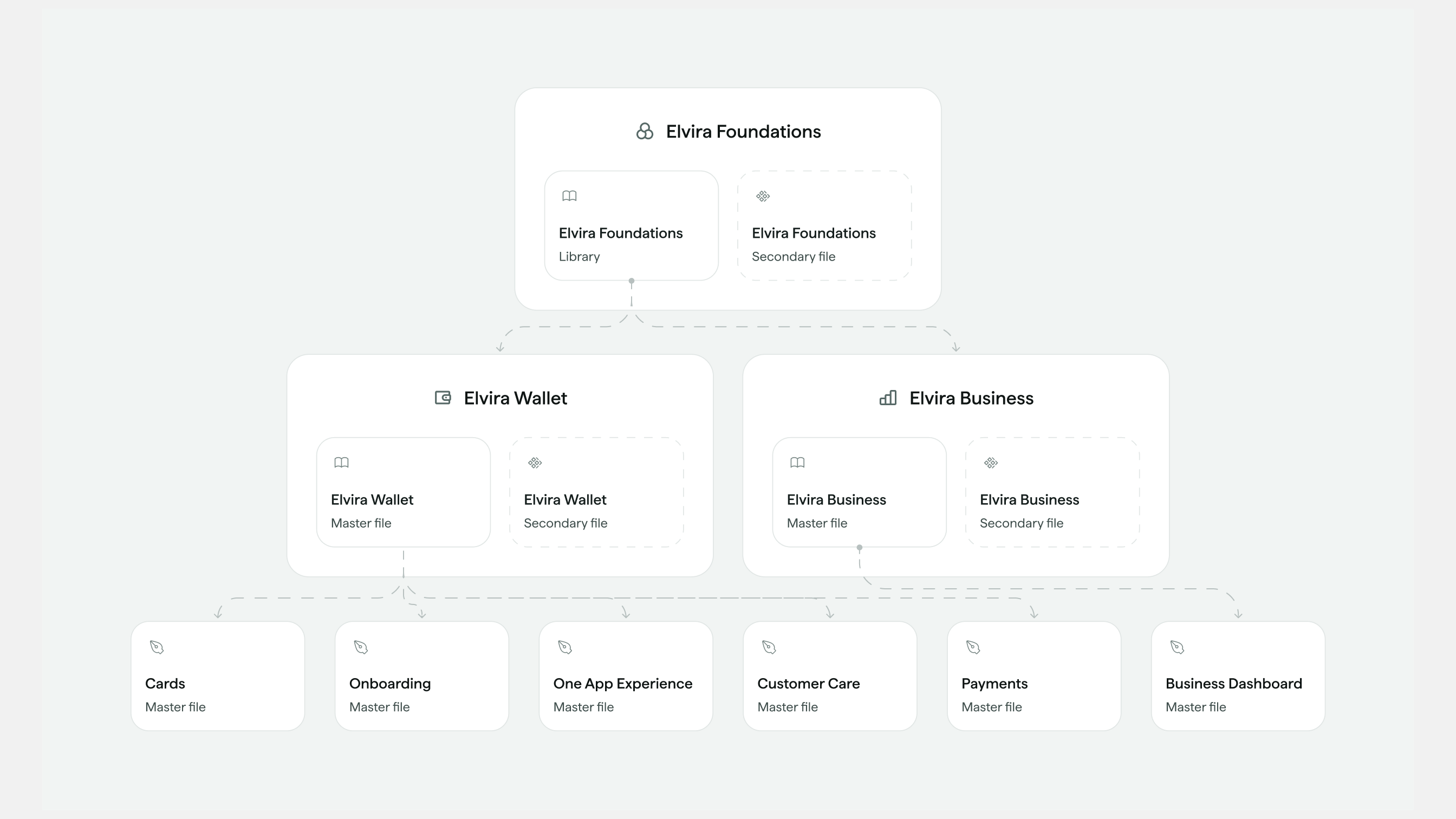
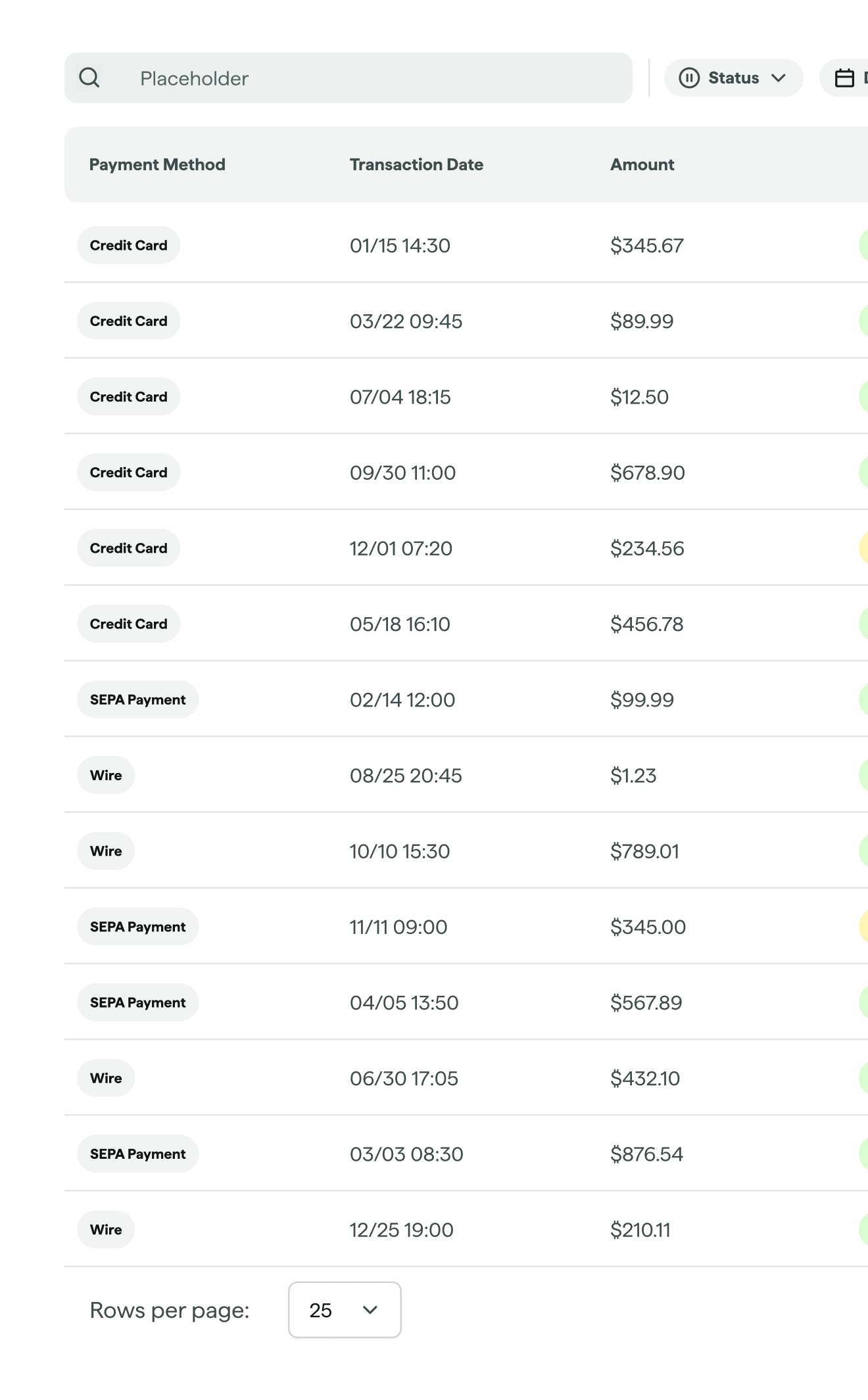
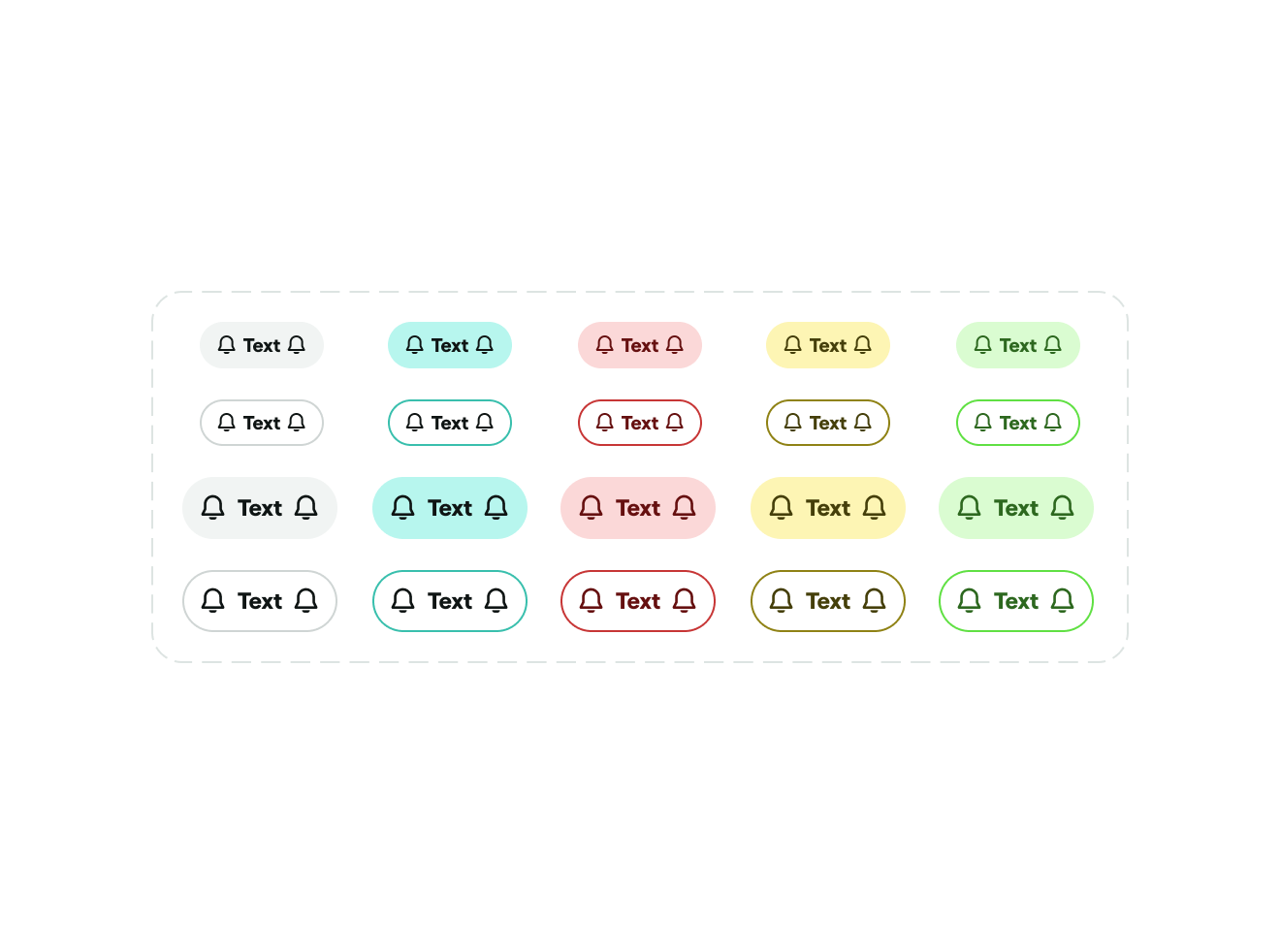
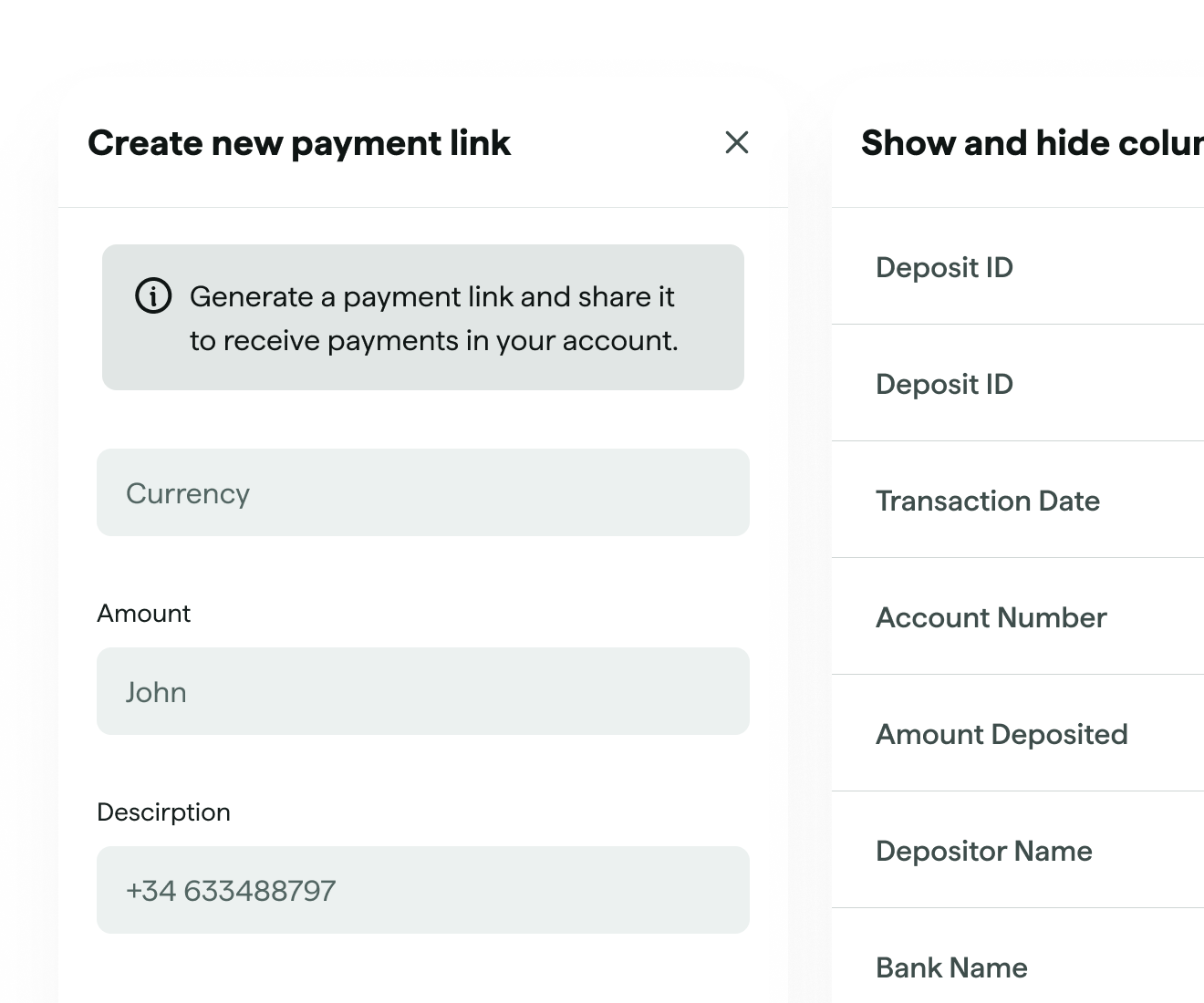
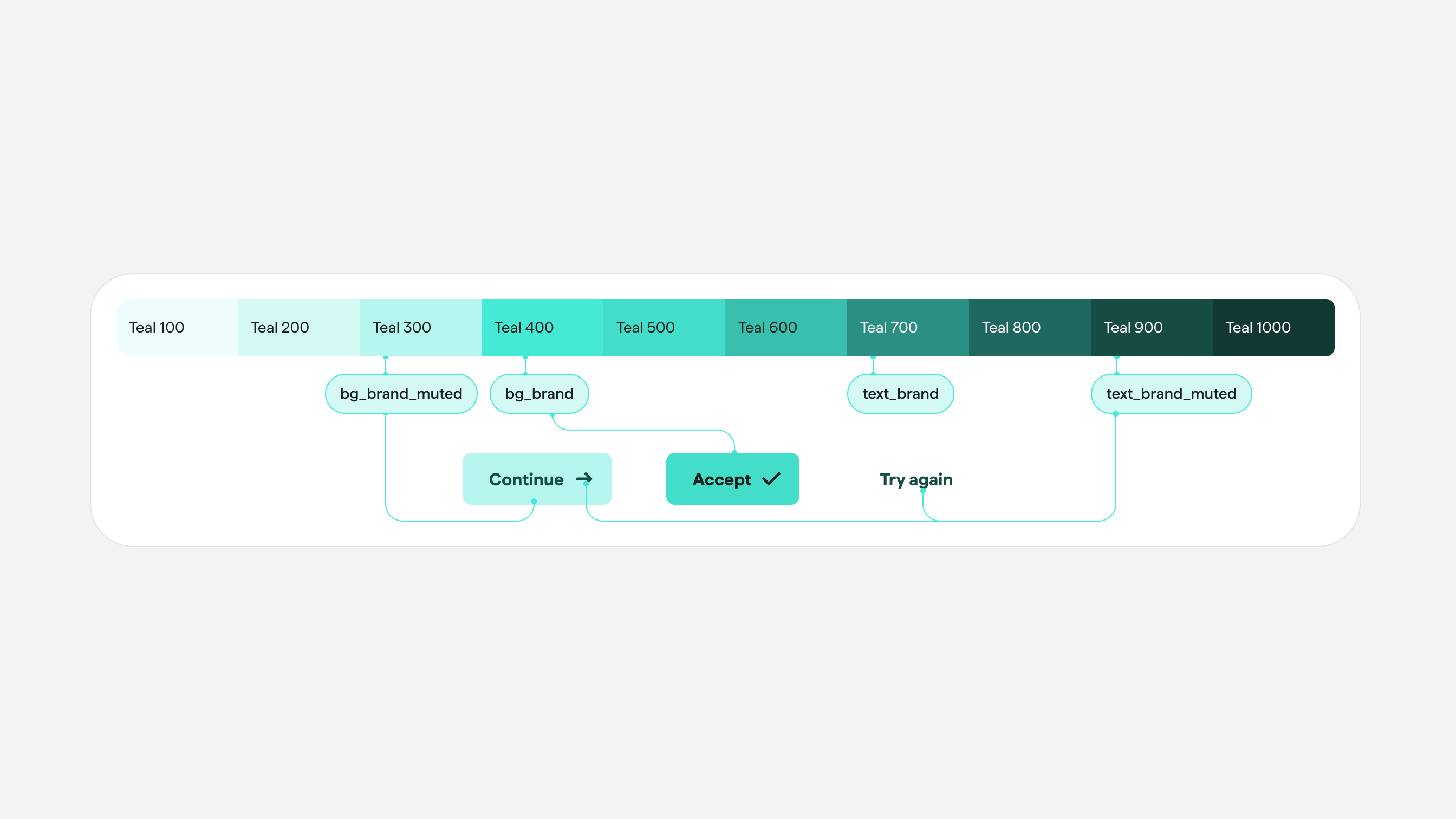
The solution centered on reorganizing the system into separate Figma libraries for Foundations, Wallet, Business, and UI Kits, creating a more scalable structure for the team. A shared foundation layer was established to unify color, spacing, and typography, while the component library was expanded to better support both B2C and B2B products.
The system was designed to work across Web, iOS, and Android, with product-specific variations introduced where necessary. It also included the development of a more robust token structure, including semantic color systems, alongside governance rituals such as bi-weekly design system sessions. To ensure long-term consistency, contribution workflows and documentation standards were created, while improved visibility into adoption and usage across squads helped the team better understand how the system was evolving in practice.
Outcome
- Expanded design system coverage from B2C-only to both B2C and B2B
- Enabled consistent design across Web, iOS, and Android
- Achieved 100% designer participation in governance sessions
- Reduced implementation uncertainty through clearer file structure and documentation
- Improved component reliability and team confidence
- Established a sustainable governance model to help prevent design debt
Conclusion
This project helped AstroPay turn a fragmented design system into a scalable operational foundation for product design. By combining component infrastructure with governance and process, Flexxi created a system that not only improved consistency, but also gave the team the confidence and structure needed to scale effectively over time.